The Capability: A Generational Leap
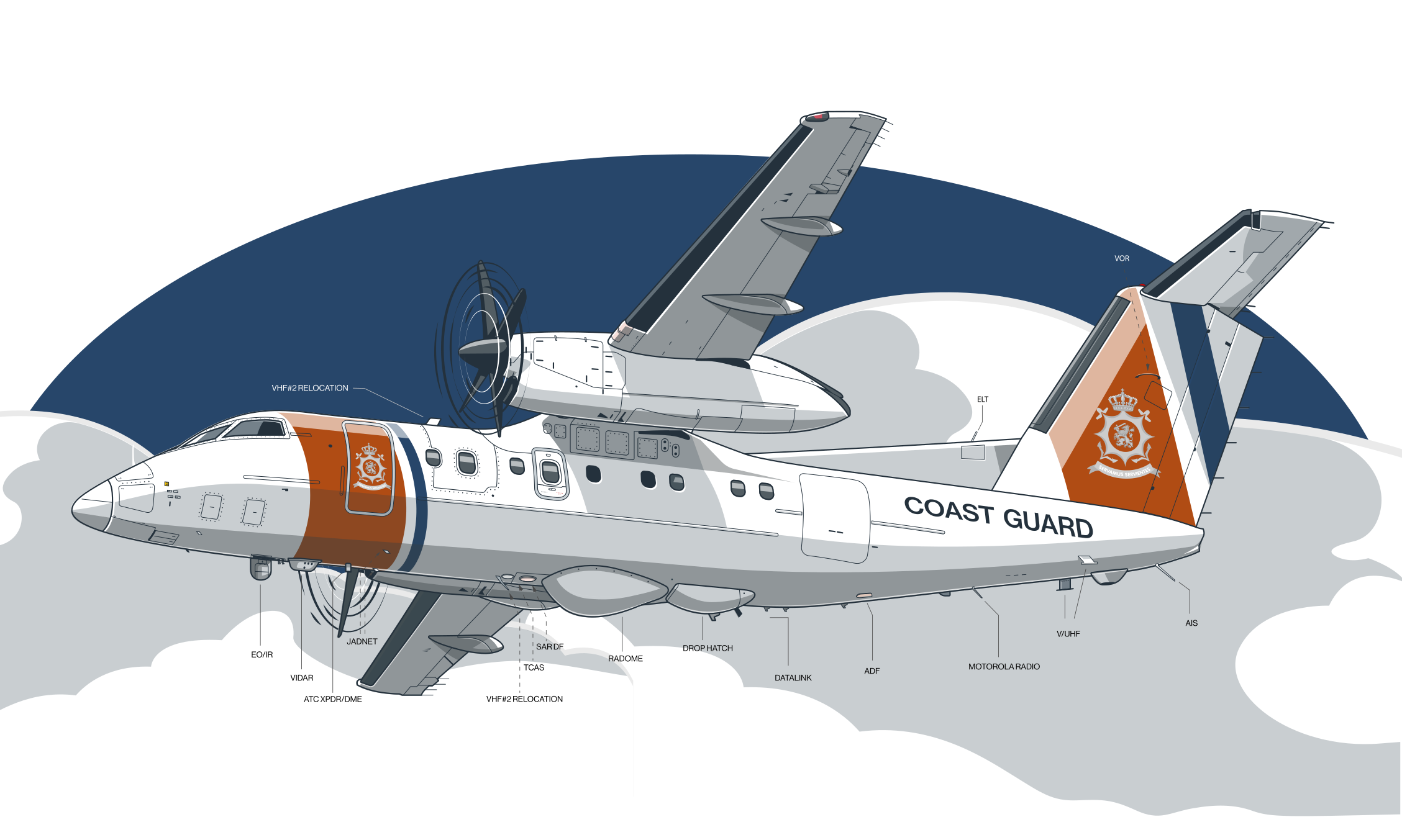
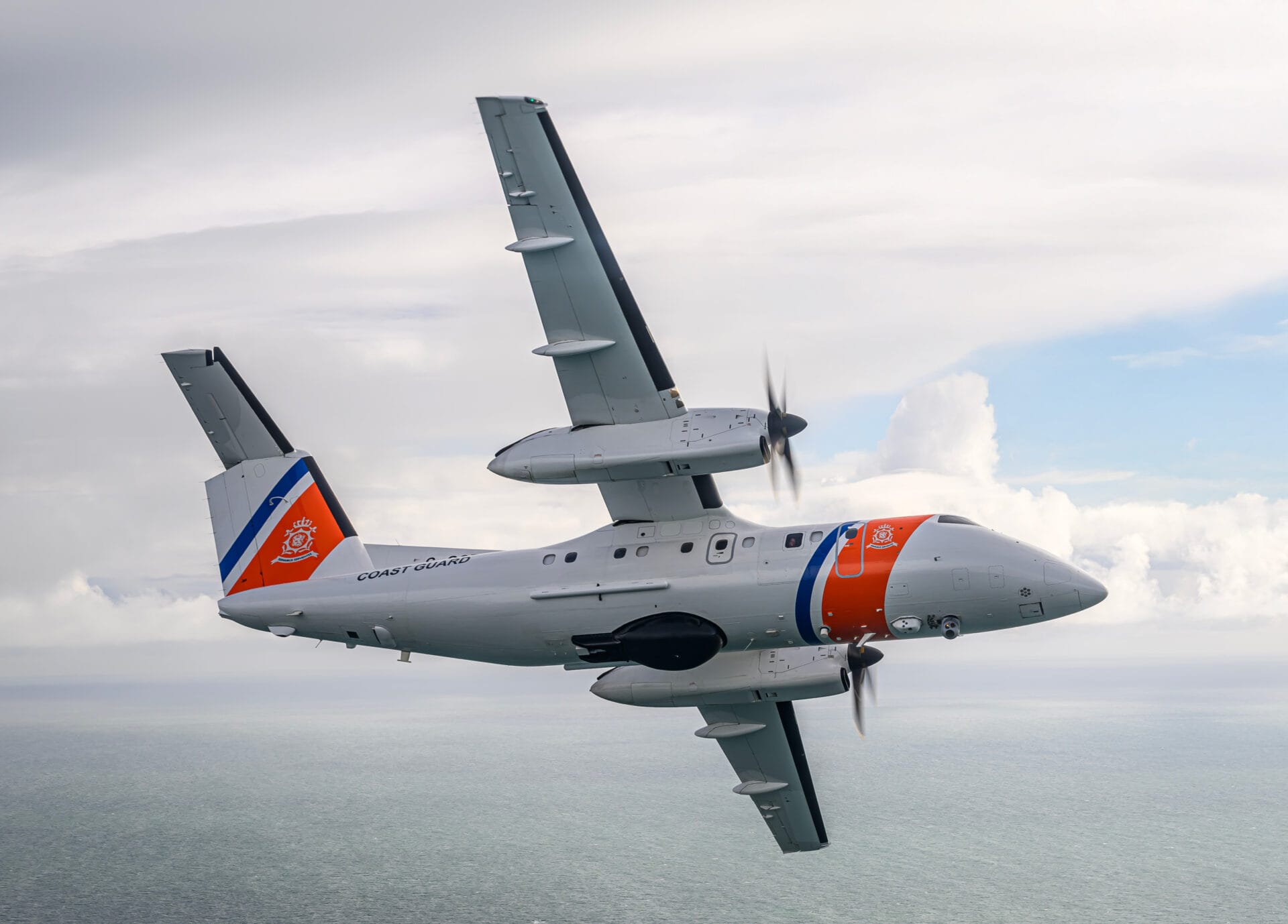
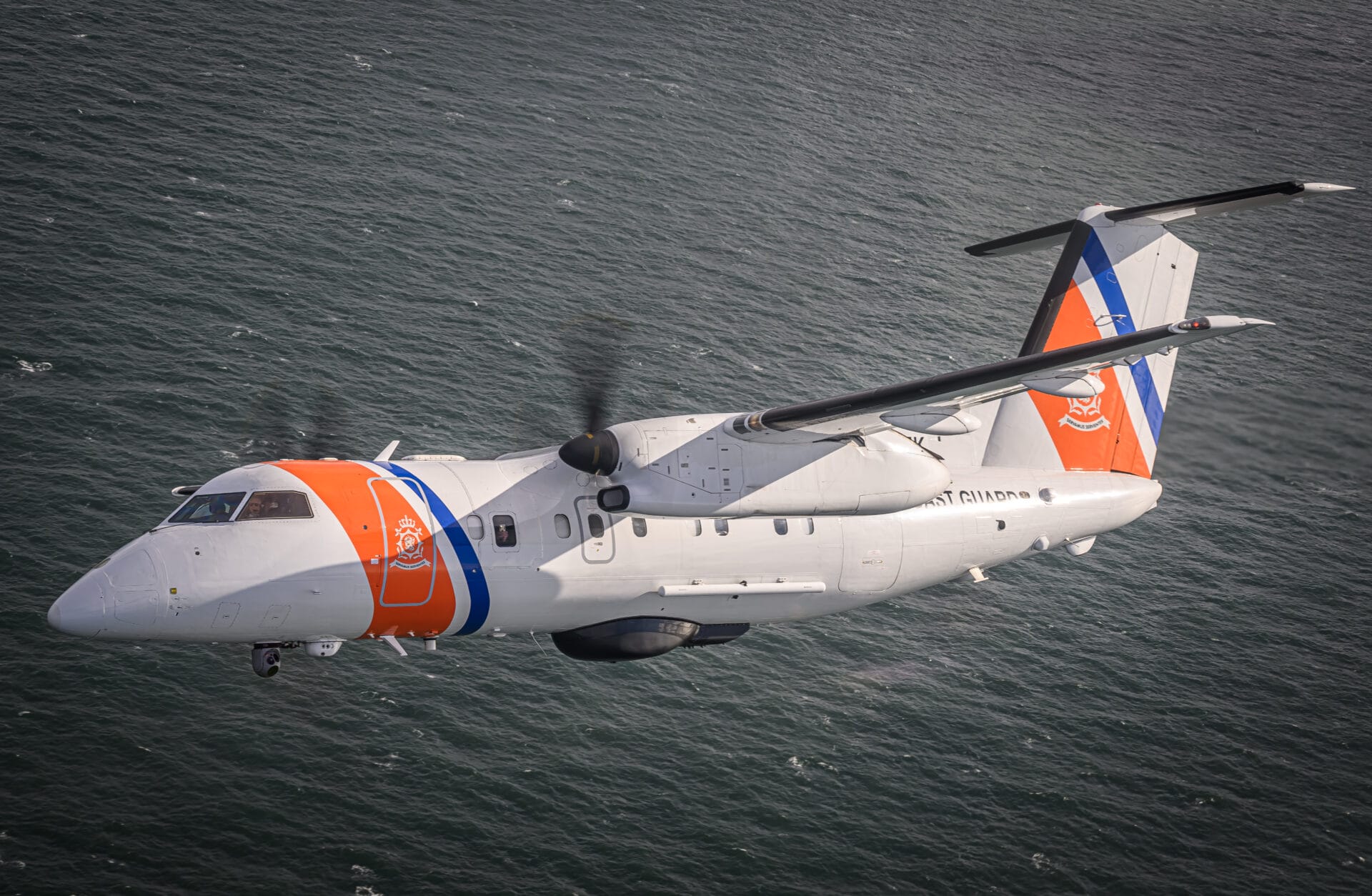
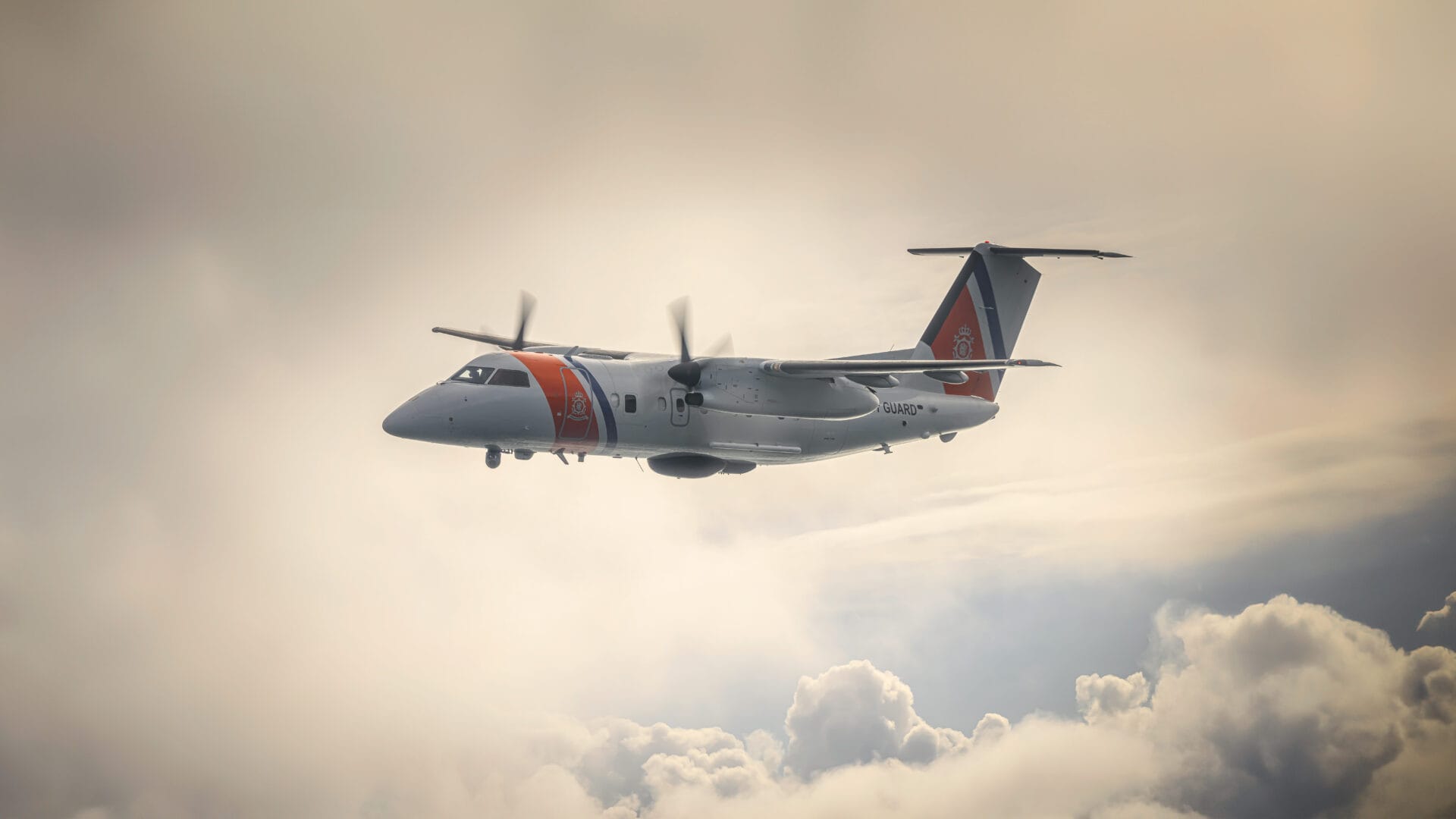
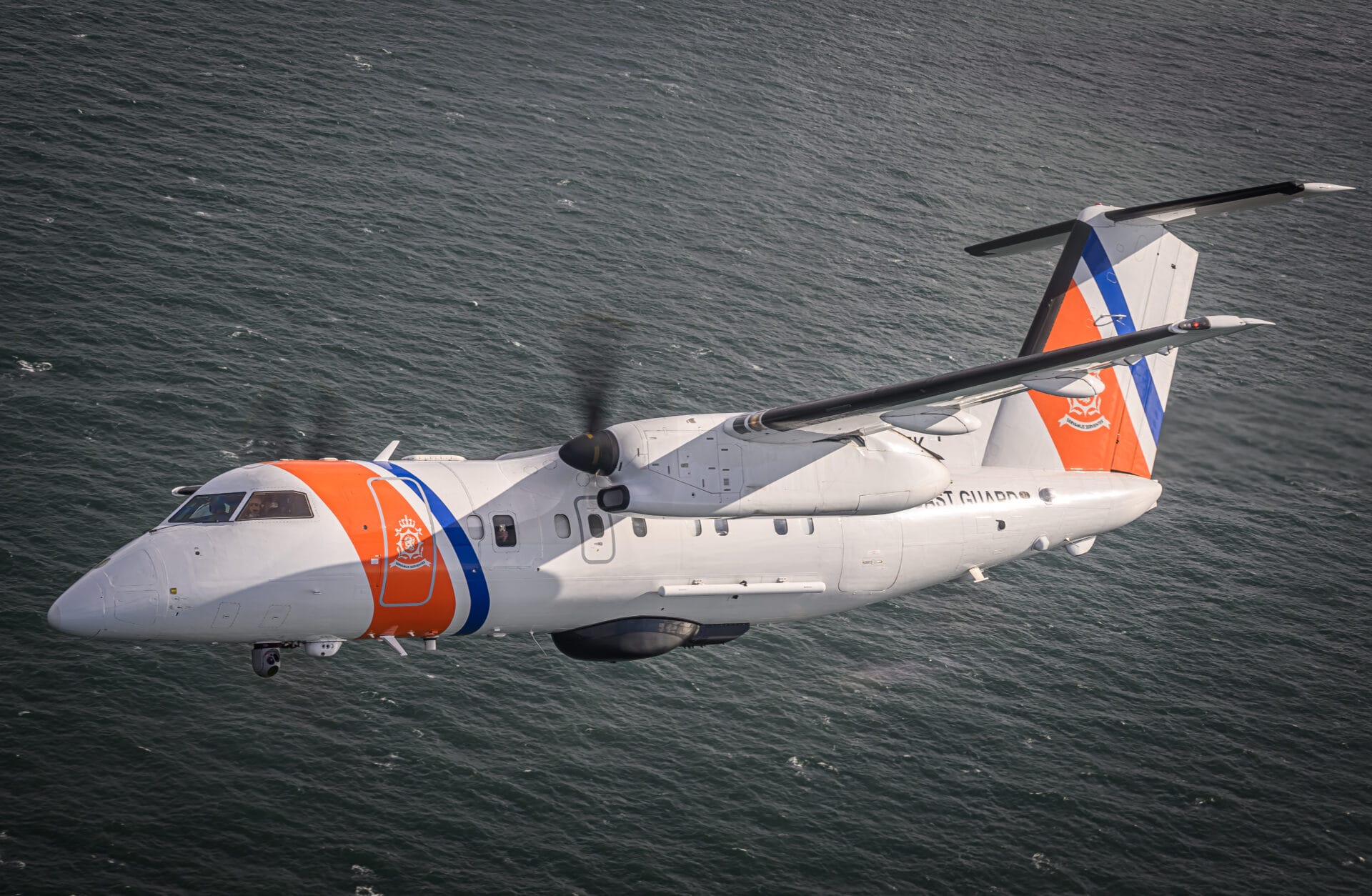
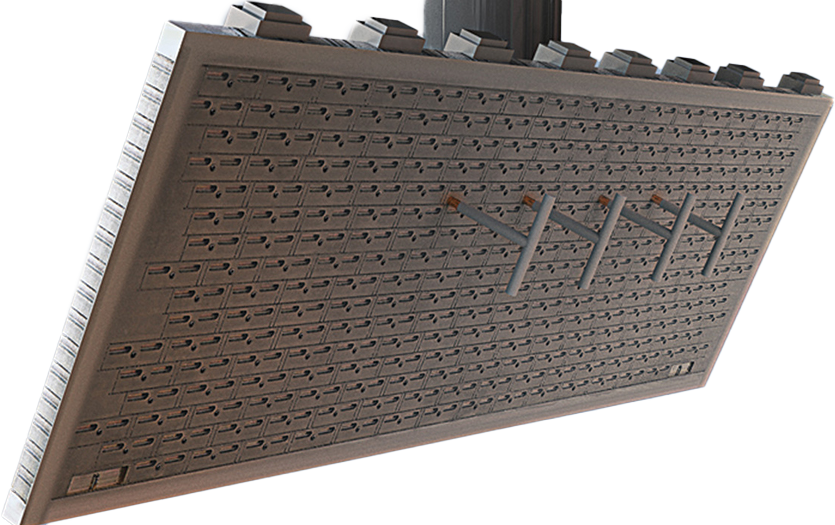
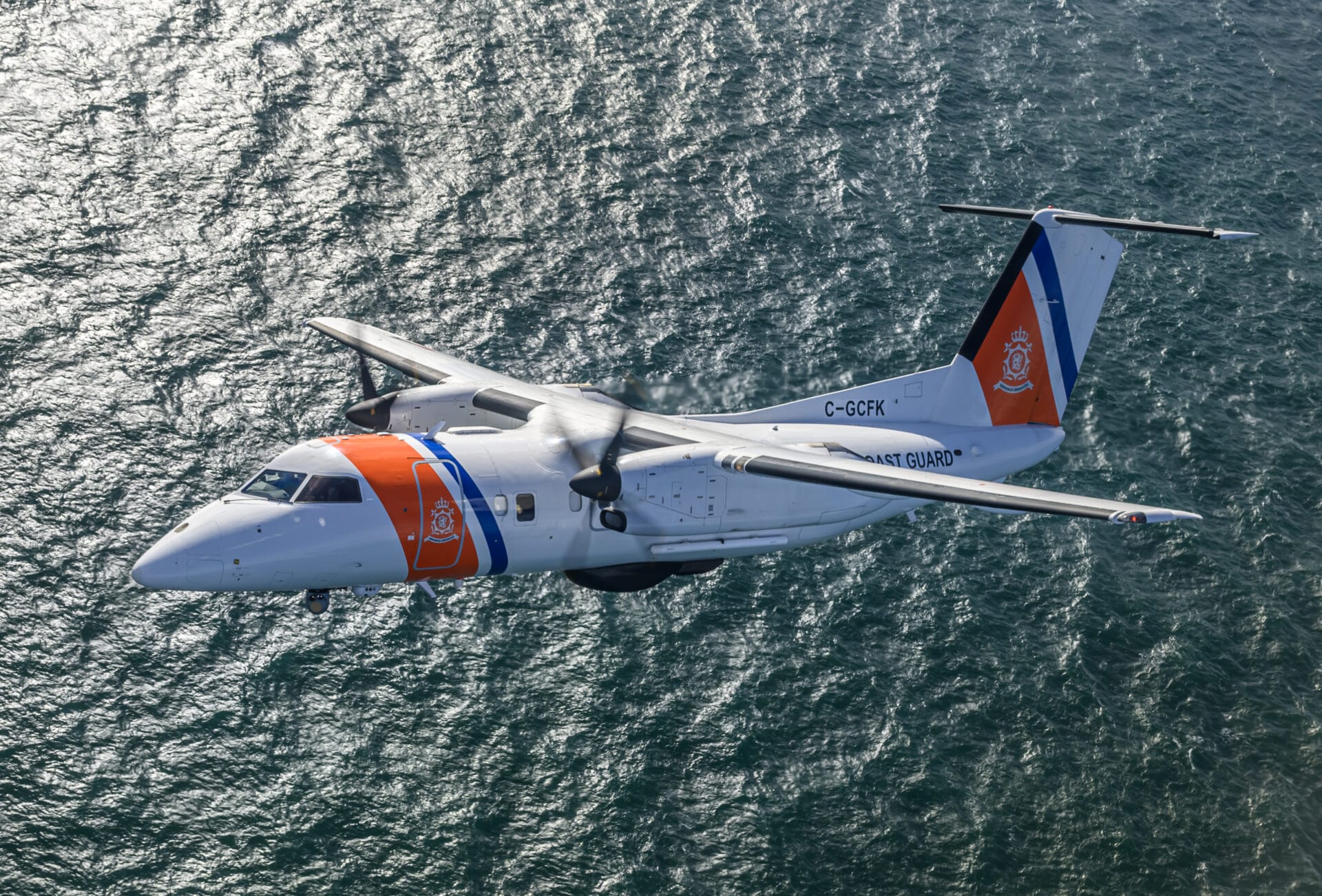
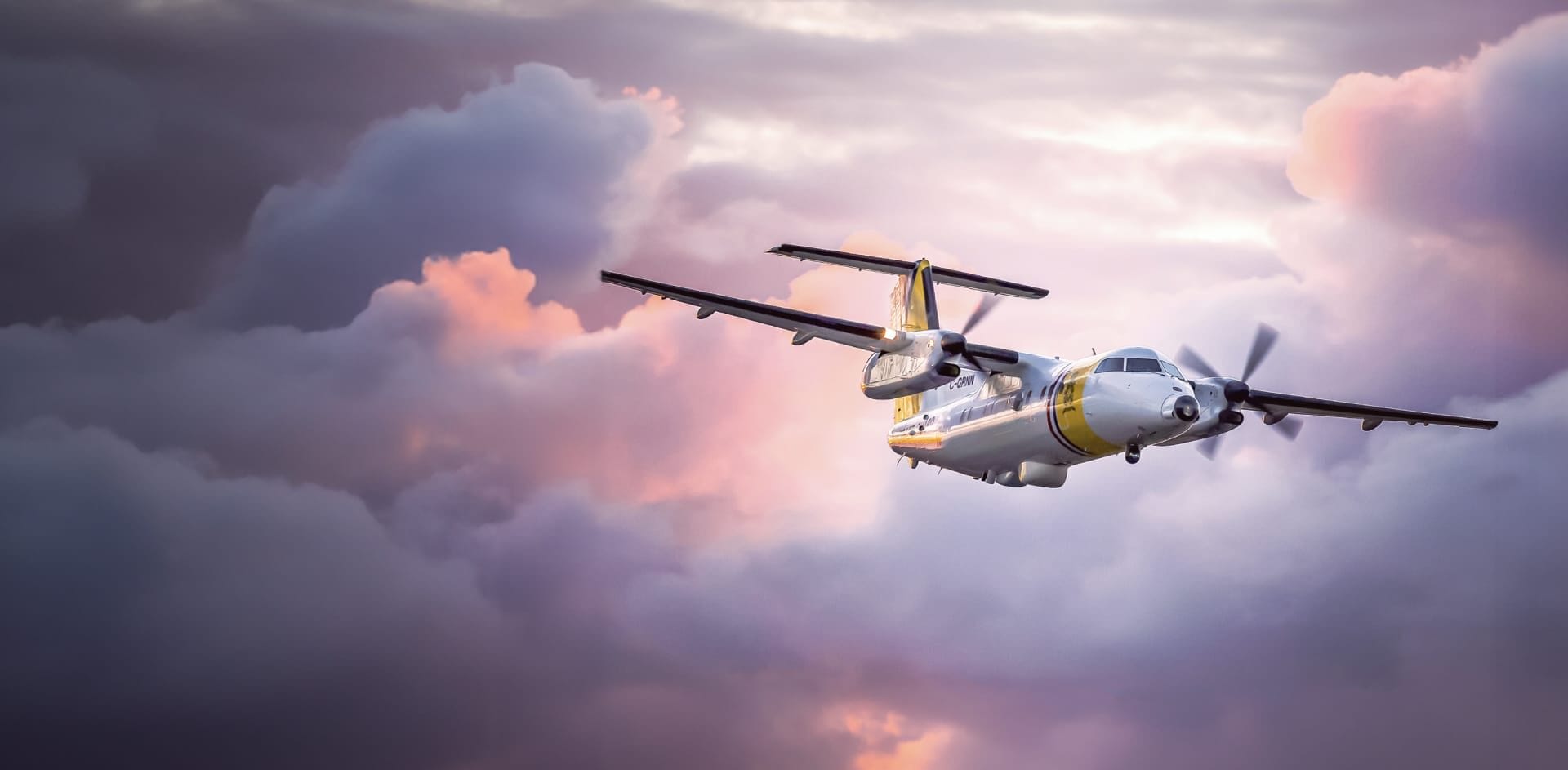
The PAL Dash-8s represent a generational leap from the NLCG’s legacy Dorniers, combining Side-Looking Airborne Radar (SLAR) persistence with 21st-century multispectral precision. Blankenstein emphasizes the new systems’ operational impact: “With the Dash-8’s sensors, our maritime picture of the North Sea increased by 80%. Before, we only saw what was physically visible. Now, we detect threats 100 nautical miles out.” While retaining the SLAR’s broad ocean sweep capability, the Dash-8 introduces the ELTA inverse synthetic aperture radar (ISAR) to scrutinize vessel profiles at standoff ranges, converting ambiguous radar returns into actionable intelligence.
Camfferman agrees that the arrival of the PAL Dash-8s marked a turning point in operational competency. “The difference between the Dash-8 and the Dornier is significant; the sensors on board are much more sophisticated… But the platform itself changes how we operate”.
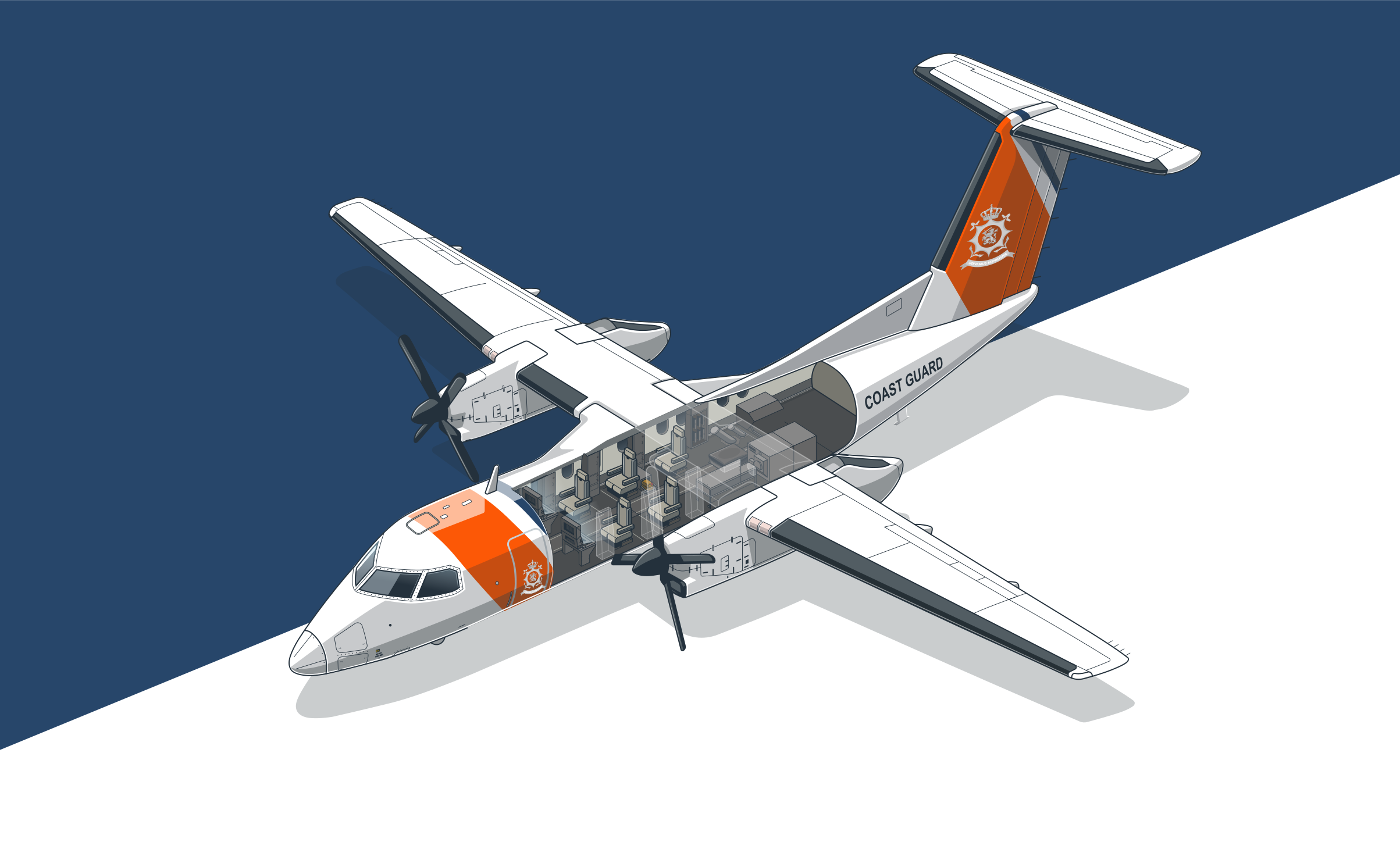
Unlike the legacy Dornier, which had a limited endurance of 4 hours, the Dash-8 can fly for 8 hours. Its pressurized cabin and operating capability allow crews to loiter at higher altitudes to monitor ships covertly while reducing fatigue.
This physical capability is backed by intense technological integration. Michel Versteeg, Managing Director of ISR Support Europe, attributes this success to PAL’s vertical integration. “We’re a one-stop shop on many levels… A single accountable partner that eliminates the delays and finger-pointing often found in multi-vendor ecosystems. This end-to-end oversight allows NLCG to bypass traditional procurement silos, ensuring seamless system interoperability and faster adaptation to evolving threats.”
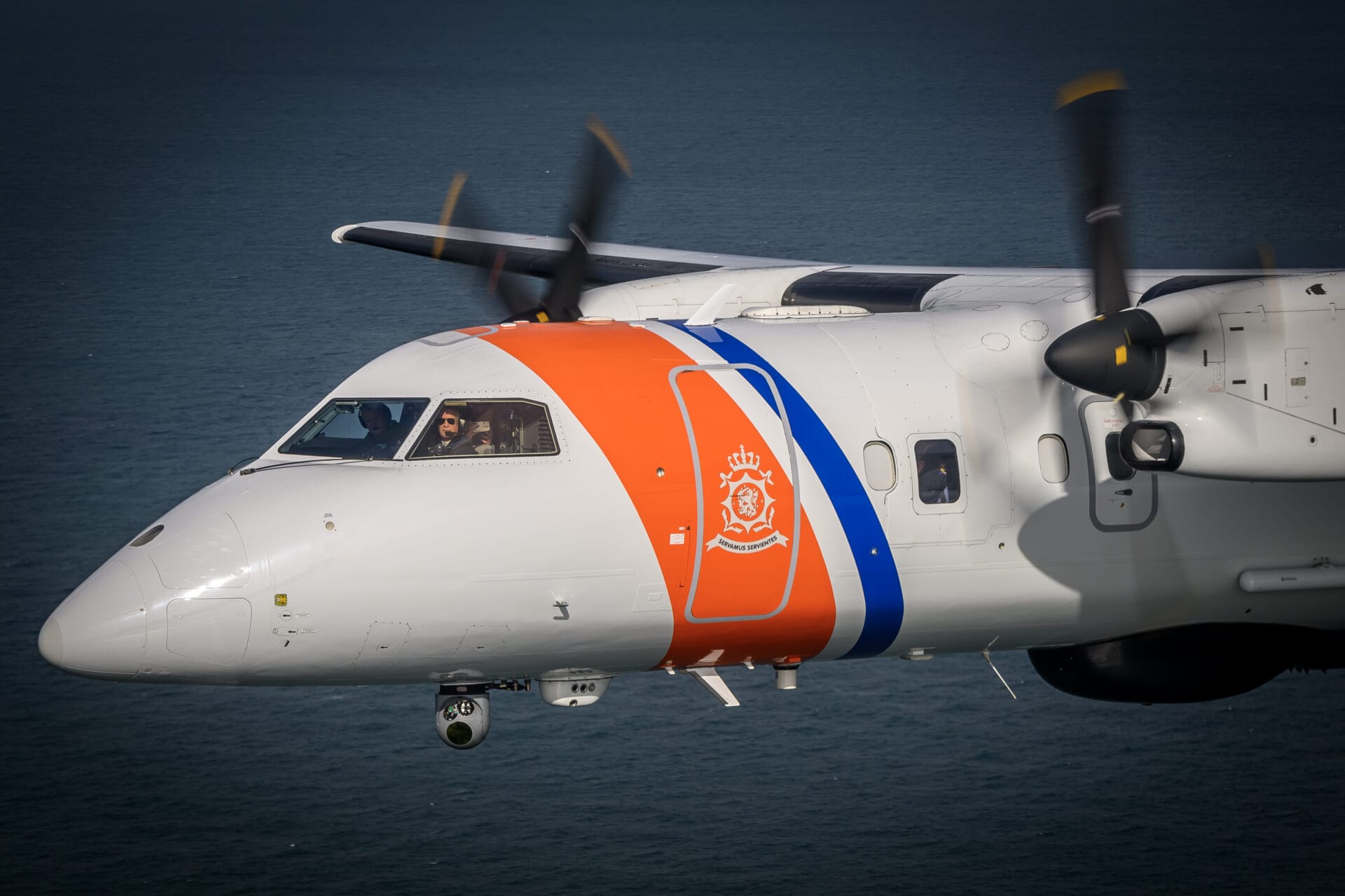
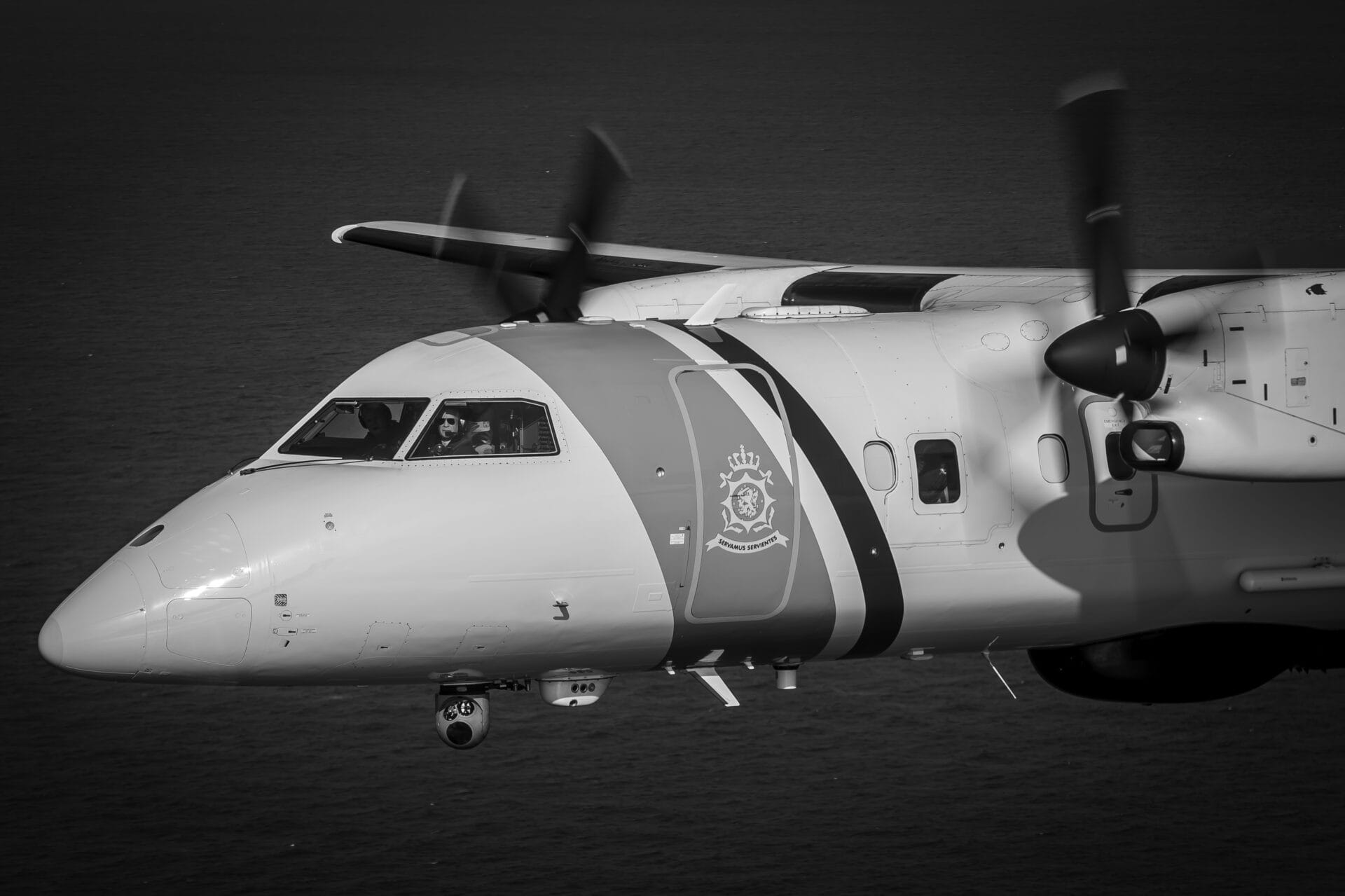
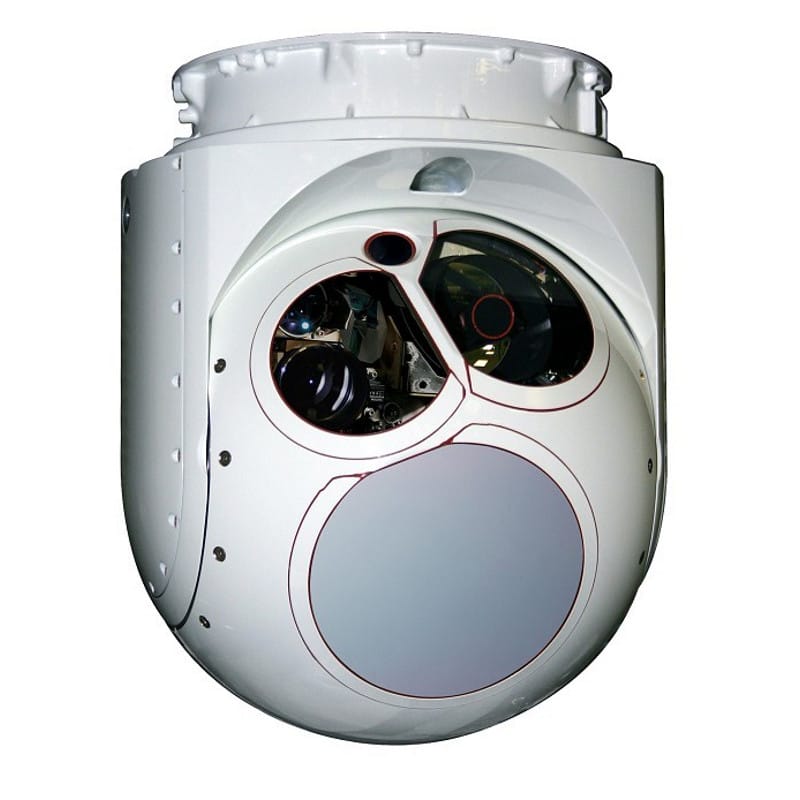
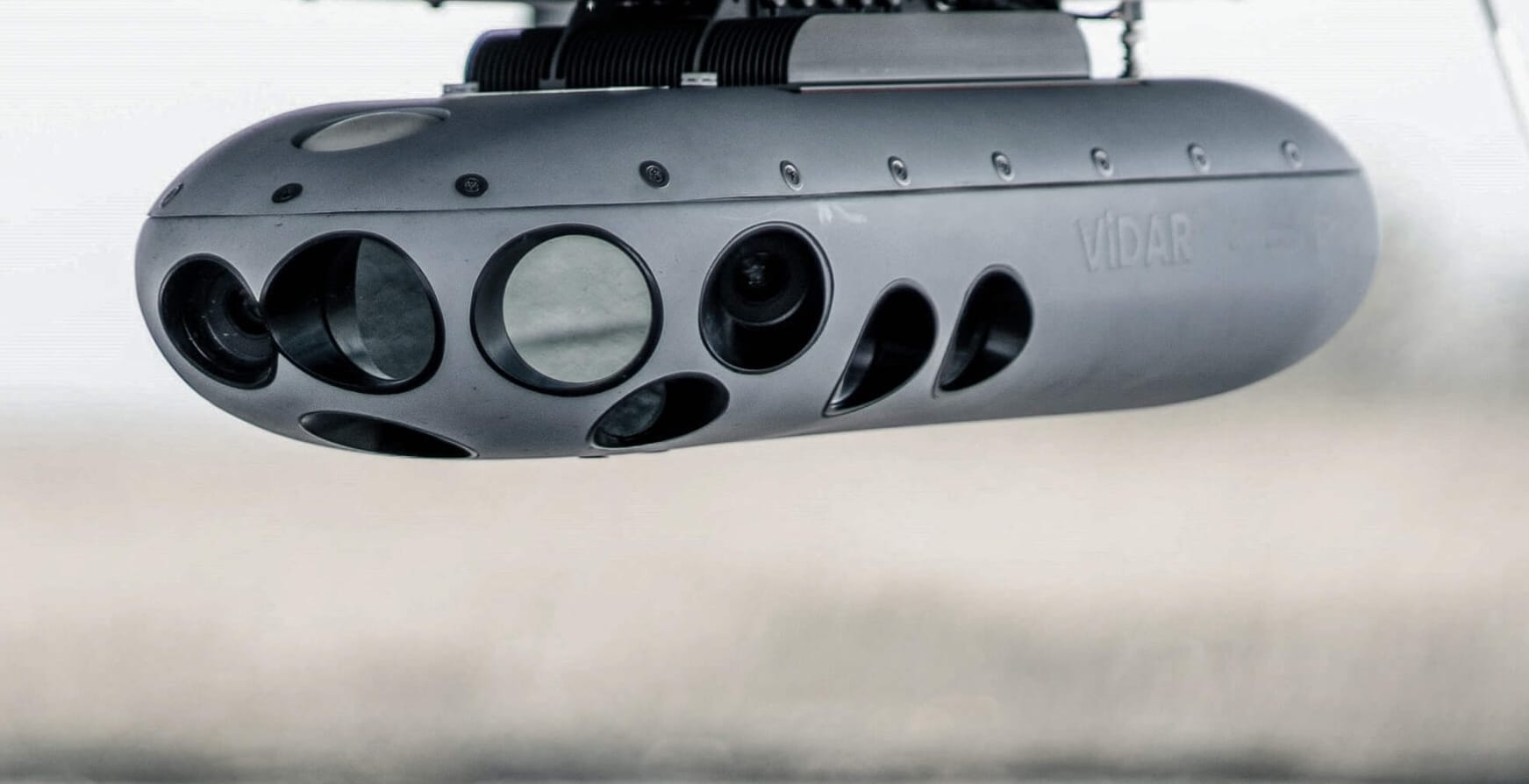
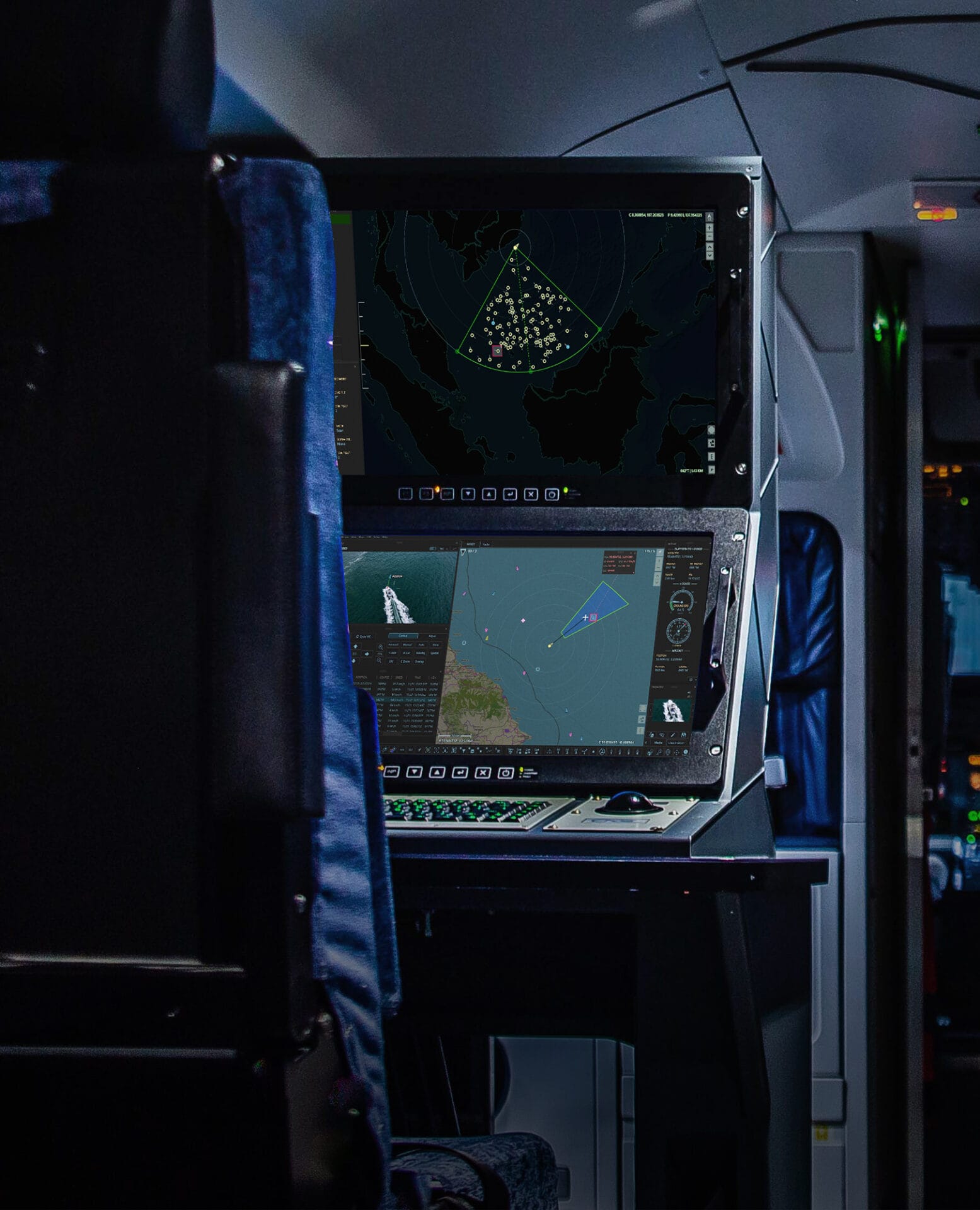
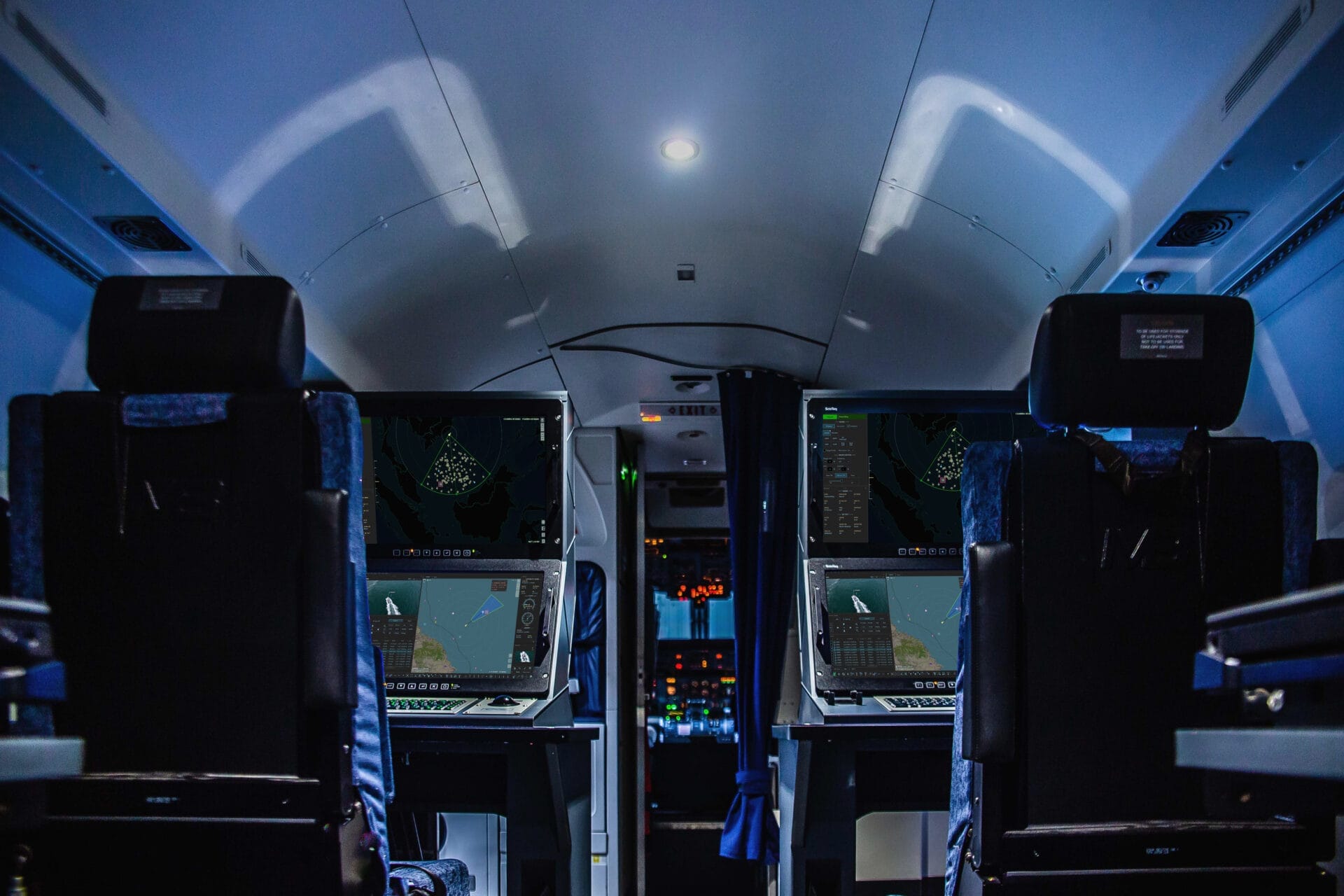
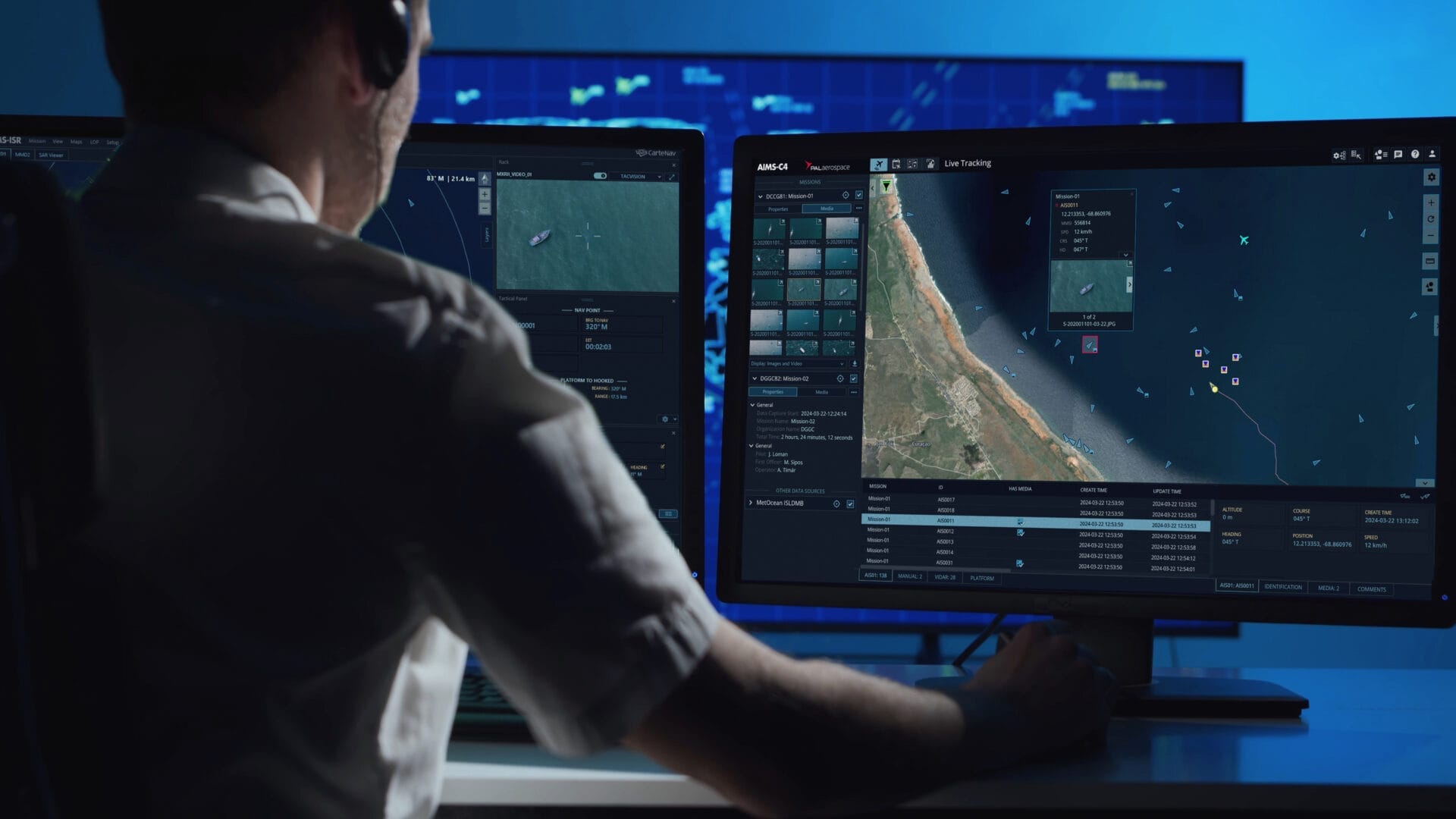
A prime example is the integration of CarteNav software, which aligns the aircraft’s ViDAR optical system with the WESCAM MX-15 camera. The ViDAR system uses AI-driven analysis to autonomously scan 10,000 km² every hour, instantly flagging small objects like life rafts. Once a target is spotted, the software automatically directs the camera to the location, delivering forensic-grade imagery, such as hull serial numbers or thermal signatures, without the technical lag of disjointed systems.
Meanwhile, the aircraft’s Iridium and Aspire dual satcom nodes and NATO-certified datalinks fuse this intelligence into stakeholder networks in near-real time, while its modular payload bay enables rapid deployment of liferafts, sonobuoys, or survival kits for search-and-rescue – a closed-loop capability chain few contractors can match without third-party dependencies.