22 January 2026, Netherlands // Bemanning kustwachtvliegtuig getraind om reddingsvlot te werpen
Original article published: kustwacht.nl
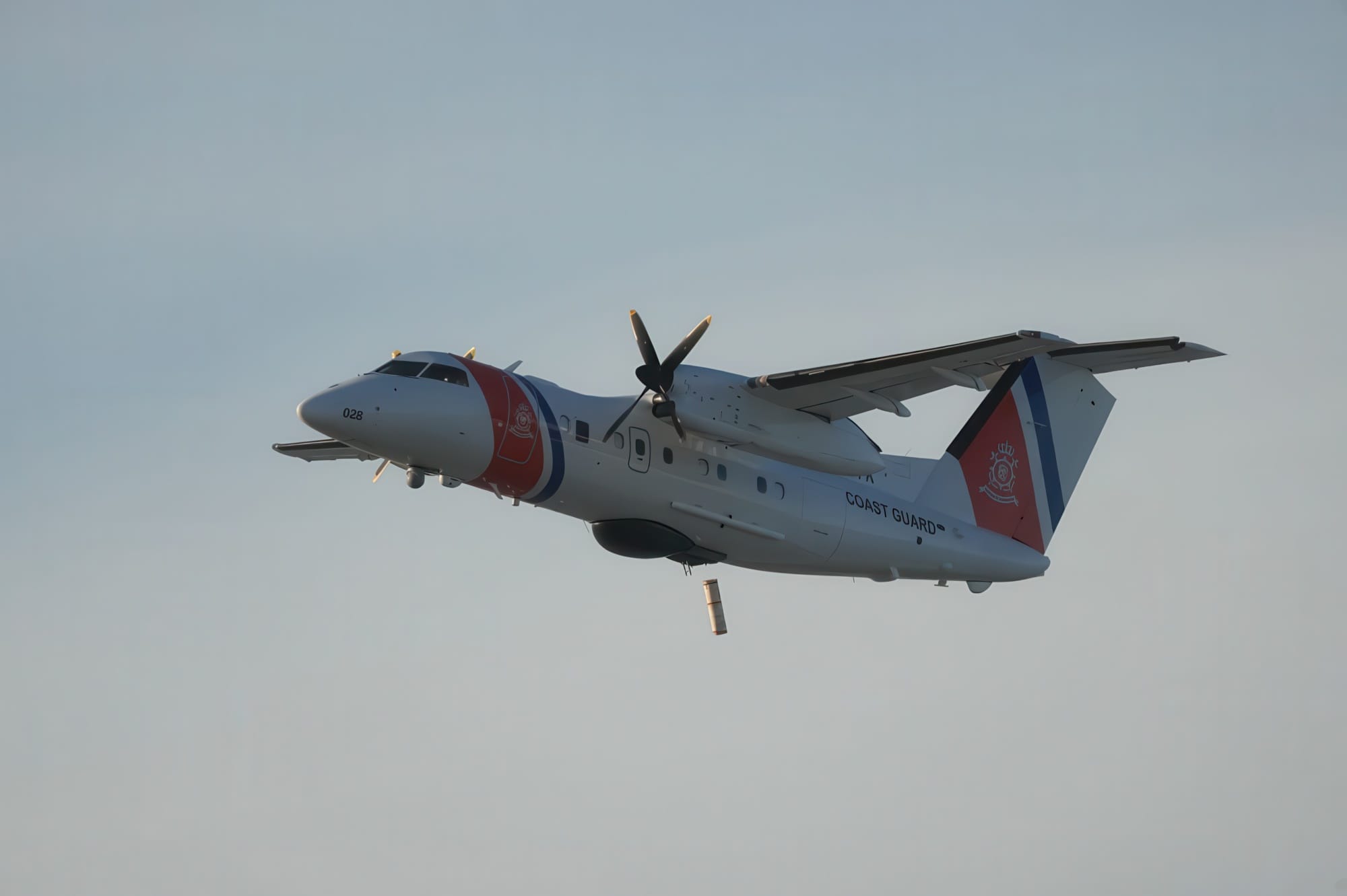
The Netherlands Coast Guard (NLCG) has successfully completed a critical training milestone, operationally validating the search and rescue (SAR) drop capabilities of its PAL Aerospace Dash-8 Maritime Surveillance Aircraft fleet.
In a recent update, the NLCG detailed exercises conducted over the Vliehors military training grounds on Vlieland. While the Coast Guard noted that deploying objects from an aircraft in flight is a complex and “unnatural” task, crews successfully executed the deployment of dummy life rafts to simulated targets below.
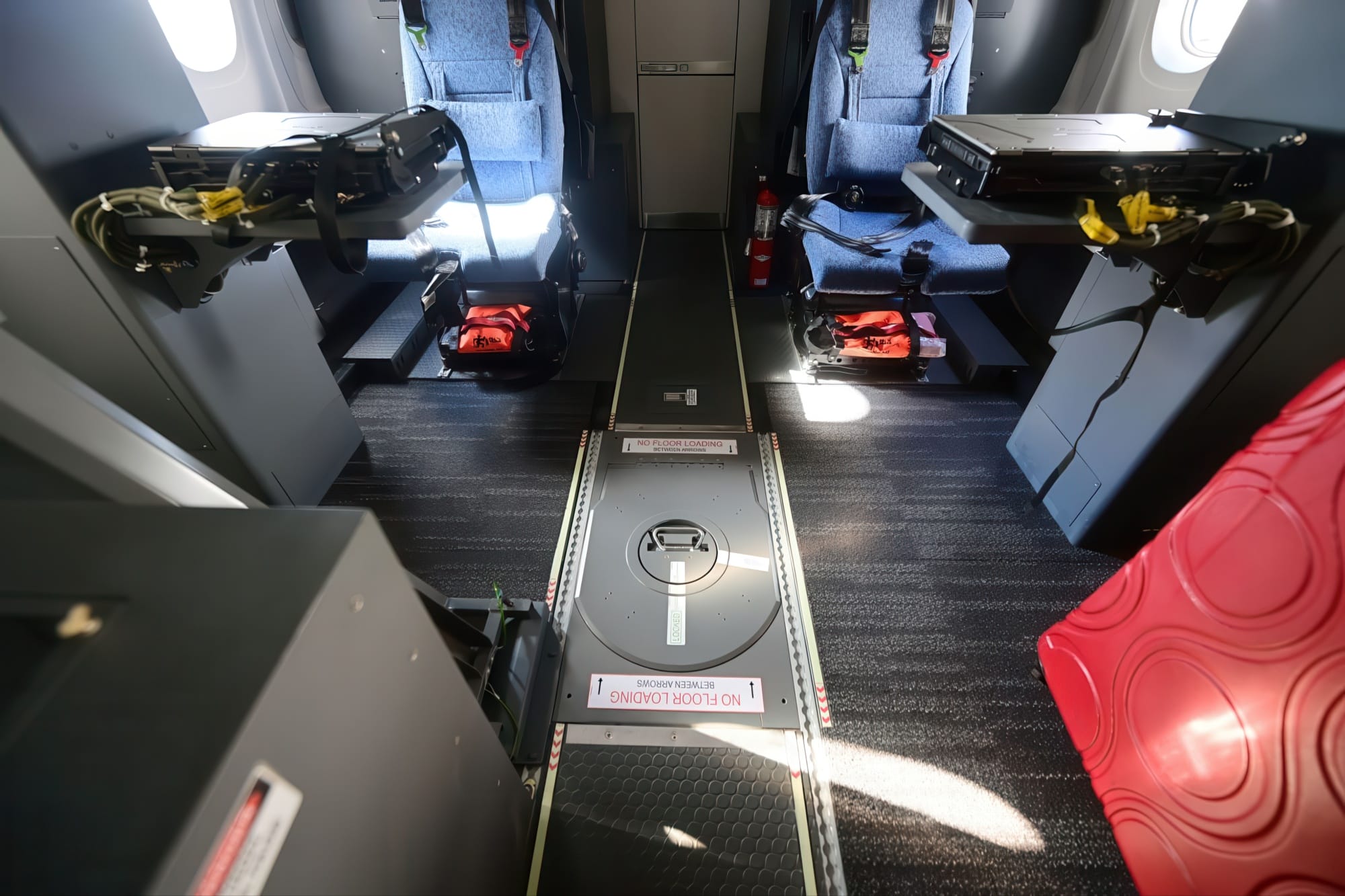
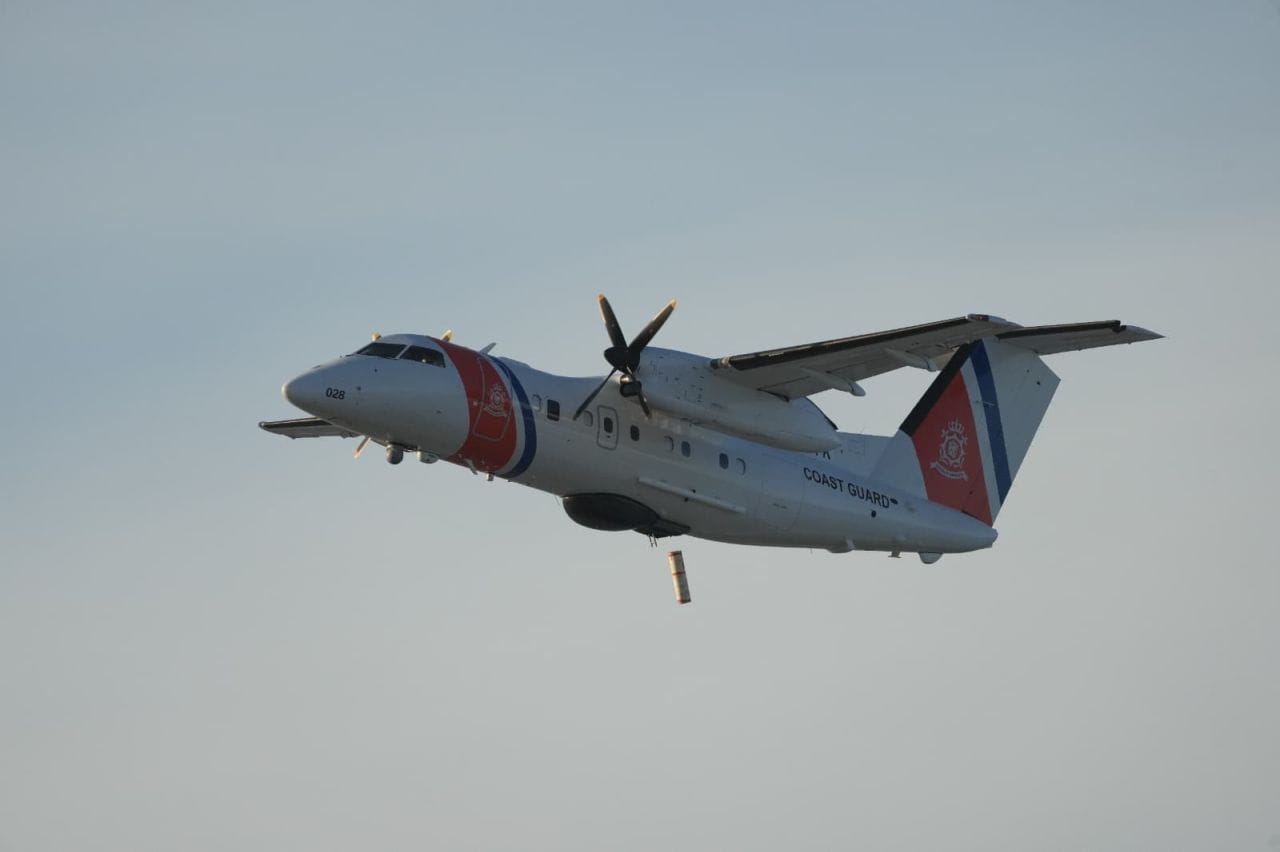

This capability utilizes the aircraft’s specialized drop hatch, a key component of PAL Aerospace’s engineered modular payload bay designed for the rapid deployment of survival equipment. The successful drops relied on intense coordination and “interplay” between the pilots and the Mission Commanders in the cabin.
Following these successful trials, the NLCG confirmed that aircrews are now fully cleared to deploy life rafts to persons in distress. This capability allows survivors to secure themselves safely in a raft, bridging the critical gap in time until a Coast Guard helicopter or rescue vessel can arrive to perform the final extraction.
This operational success further fulfills the program’s promise of a “closed-loop capability chain,” where the aircraft not only detects threats using advanced sensors but acts immediately to support rescue operations.